


We gave our Gear Lovers one job:
Find the best and most popular products and review them.
Our review team always considers durability, price, quality, and value in their reviews.

Where to buy Jack Wolfskin 3D Aerorise 40:
Jack Wolfskin
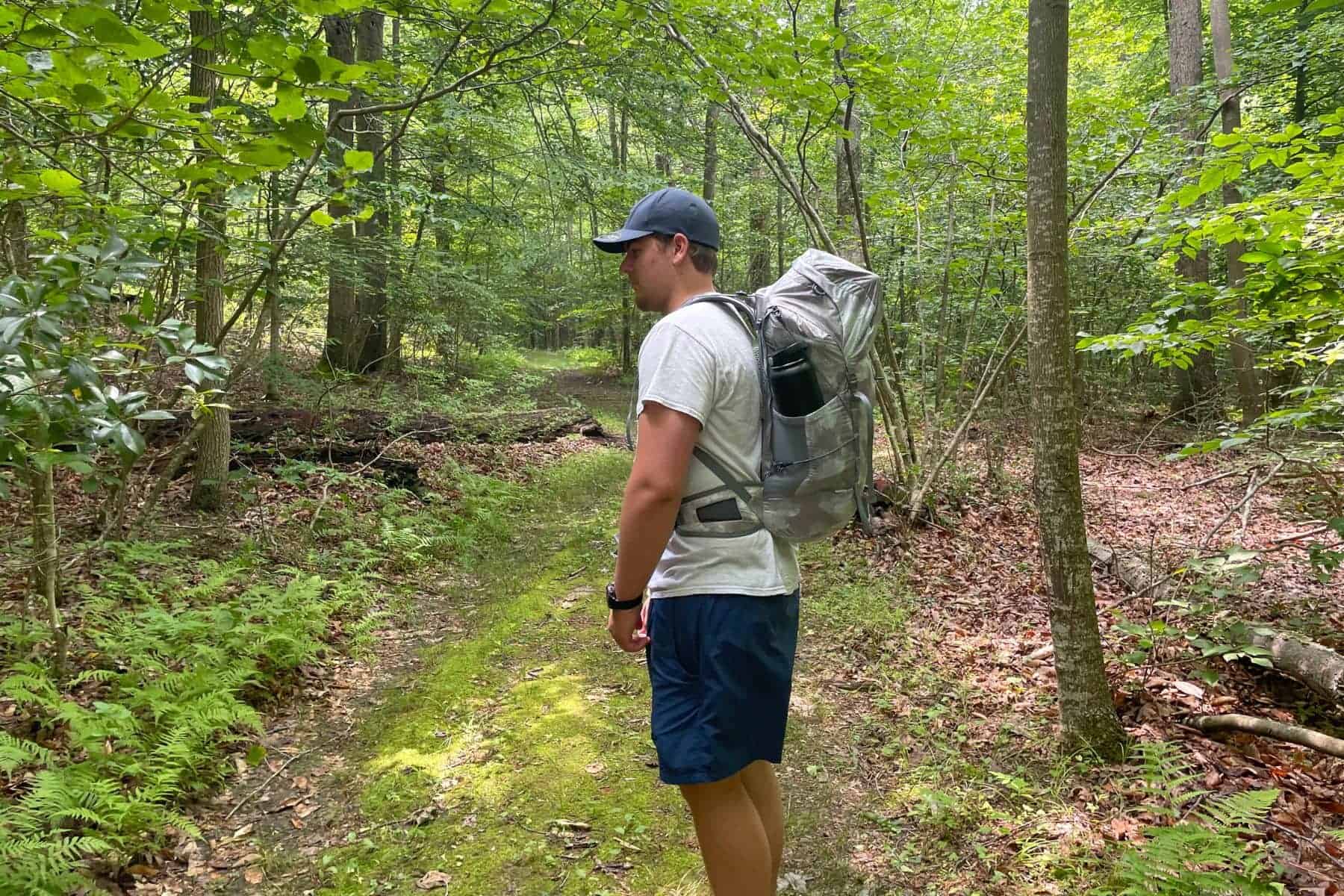
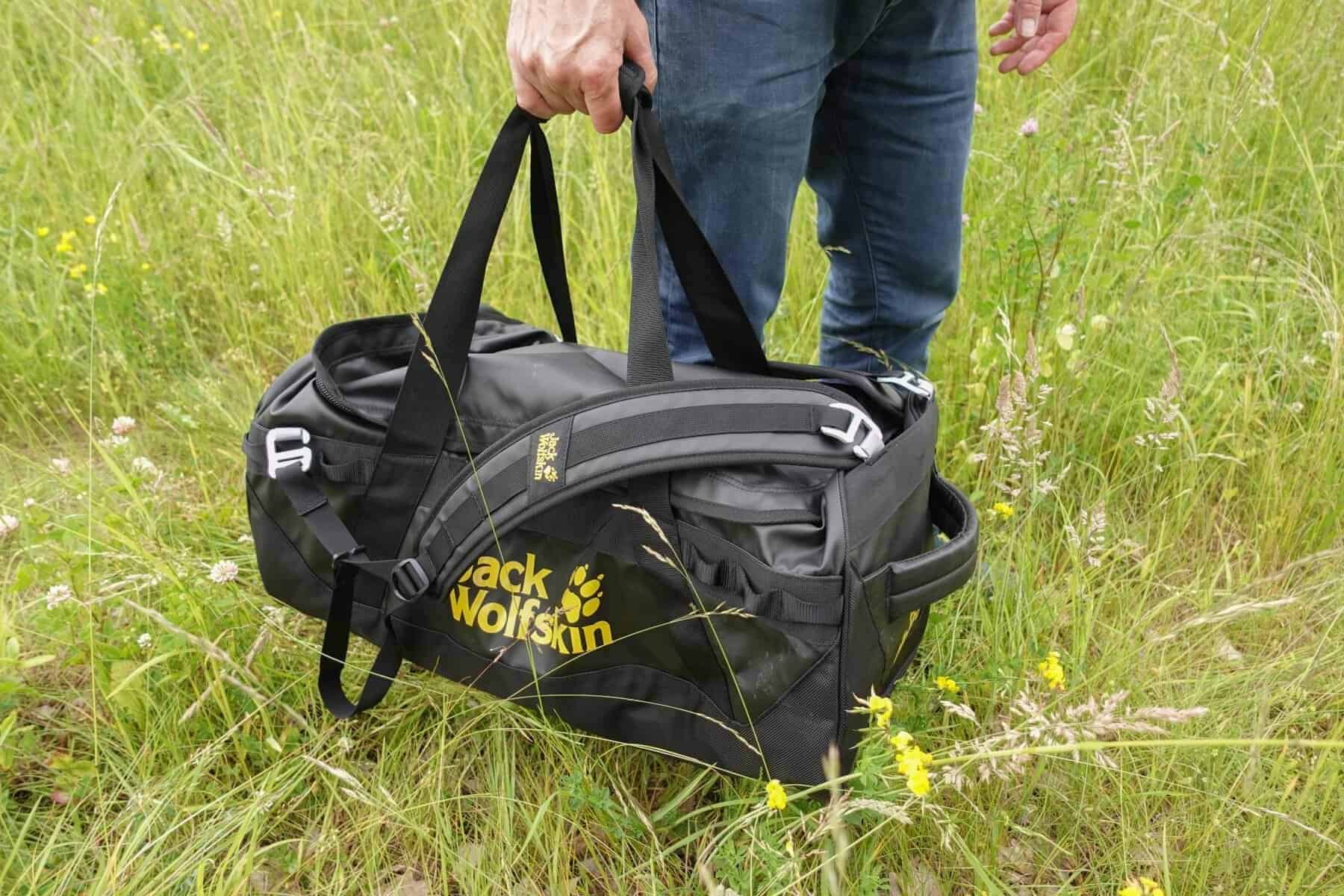
Jack Wolfskin crafted a hiking backpack with the use of 3D printing for some components. This design is different from the cheap plastic airplane your cousin 3D printed in his basement. The Jack Wolfskin 3D Aerorise 40 hiking pack boasts innovative breathability, a waterproof compartment, and solid durability, all in a lightweight backpack made from 100% recycled materials.
For hikers on shorter treks or who like scrambling or lightpacking, the Jack Wolfskin 3D Aerorise is worth considering.
The innovations, technology, and durability come at a steep price, so we decided to test the 3D Aerorise 40 in the mountains of Pennsylvania to see how it stands up to its cost. Dive into this full review for the product details, our testing, and final thoughts.
Things we like:
-
 Waterproof main compartment
 -
Lightweight
-
Durable fabric and build
-
Innovative back breathability
-
Made from 100% recycled fabric
Things we don't like:
-
 May not fit well for some shorter hikers, no adjustable torso length
 -
Difficult to organize what’s inside
-
Price puts the bag out of reach for many shoppers
Where to buy Jack Wolfskin 3D Aerorise 40:
Jack Wolfskin
- Dimensions: 68 x 32 x 27 cm
- Capacity: 40 Liters
- Weight: 930 grams/2.05 pounds
- Shell material: 100% recycled 70D CROSS RIP synthetic polymide
The Aerorise Keeps the Air Flowing
Talk to anyone who uses hiking backpacks, and you’ll likely hear some common themes: back sweat from too much padding or when a hiking backpack is already too heavy when completely empty or otherwise doesn’t distribute weight well when worn. Jack Wolfskin tried to solve these problems by applying a 3D-printed innovative design to a well-crafted backpack.
Weight
This backpack does feel lighter than many other backpacks we have tested. One of the downsides to hiking backpacks designed for durability and huge loads is the extra weight. For instance, the Osprey Aether 65 adds just over an extra 50% of load capacity compared to the Jack Wolfskin 3D Aerorise but at twice the weight.
The Jack Wolfskin 3D Aerorise avoids bulk and weight without compromising in the durability department. With a 40-liter capacity, the 3D Aerorise won’t take everyone on weeklong expeditions (only those spartan trekkers) but will work well for long weekend trips.
Comfort
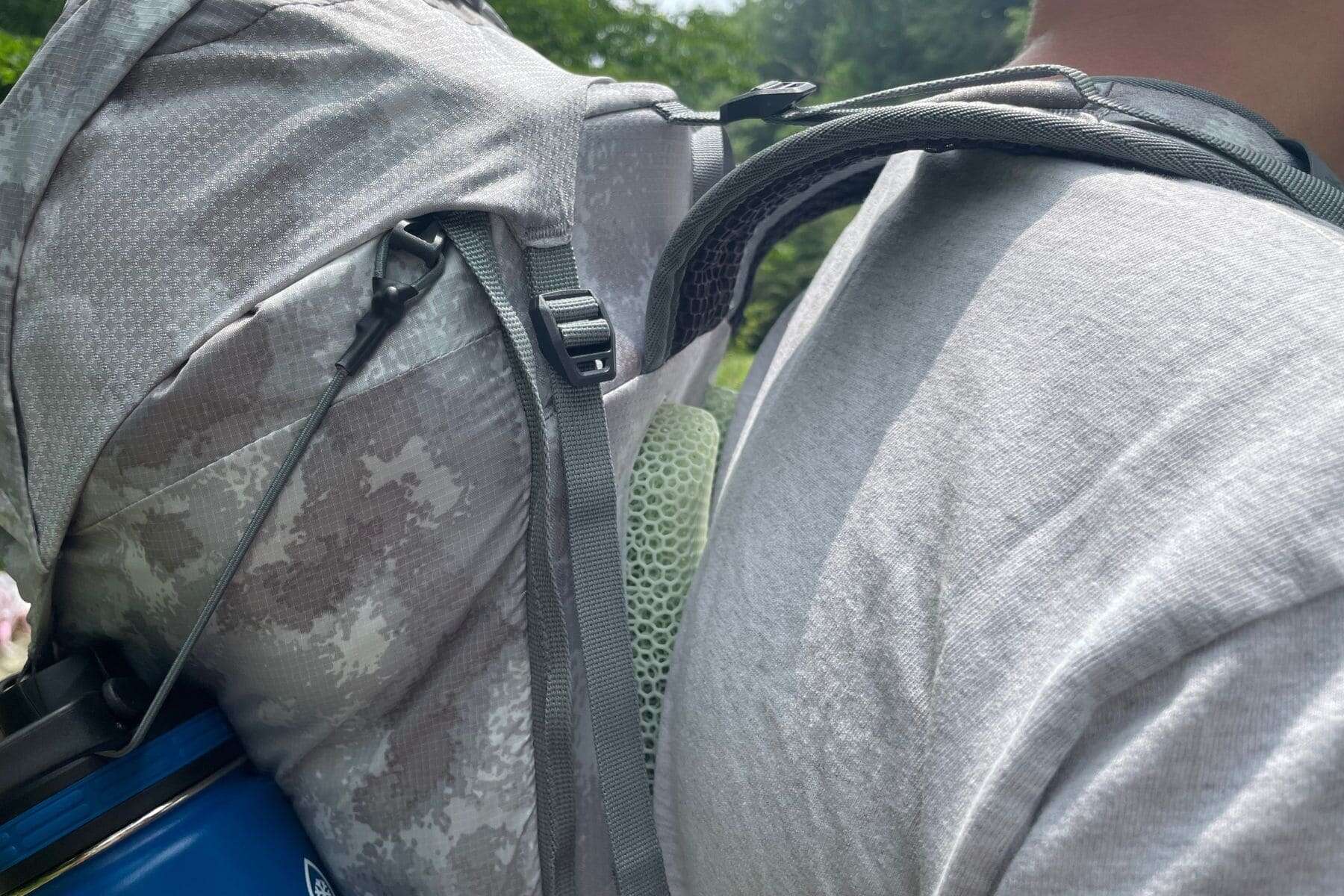
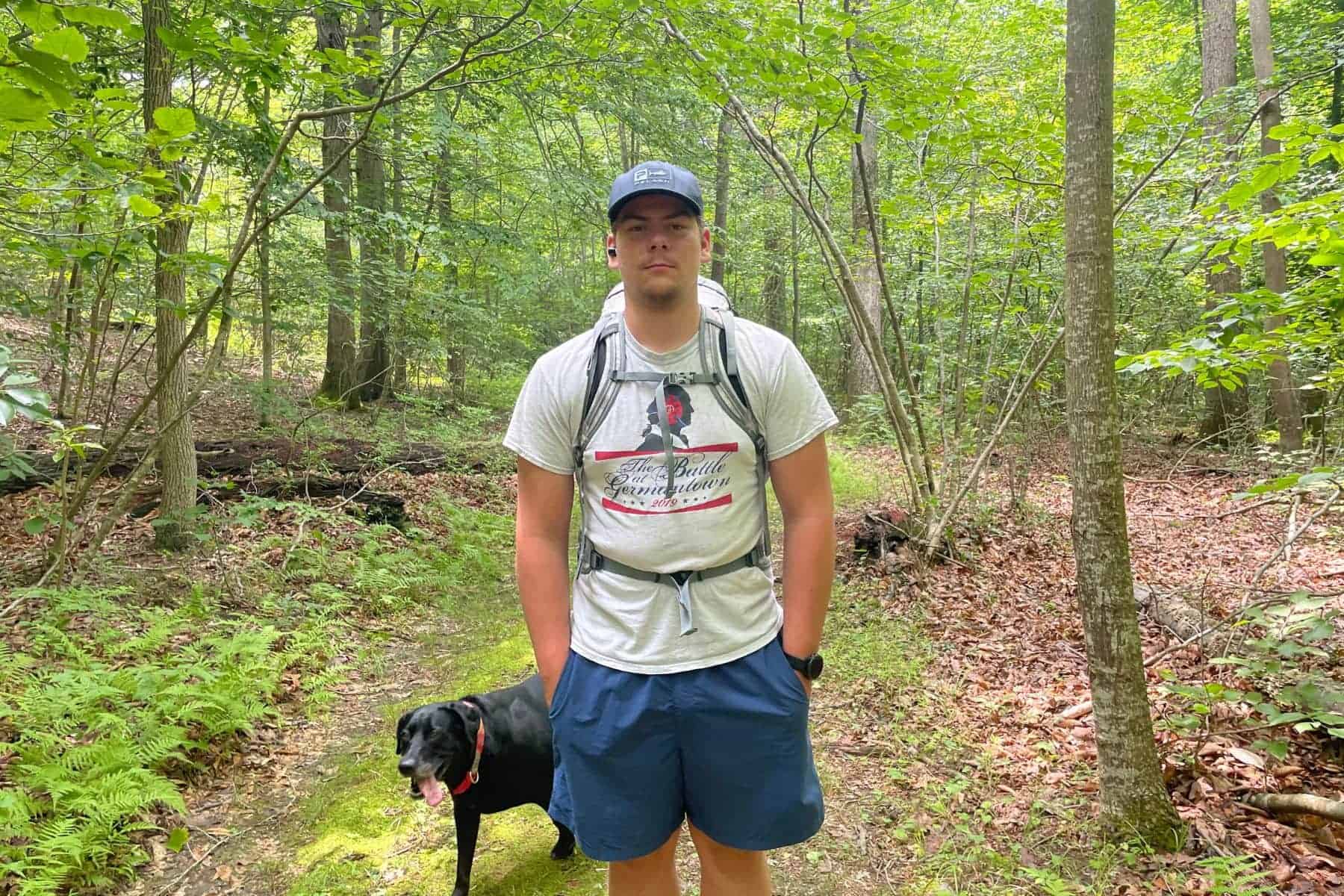
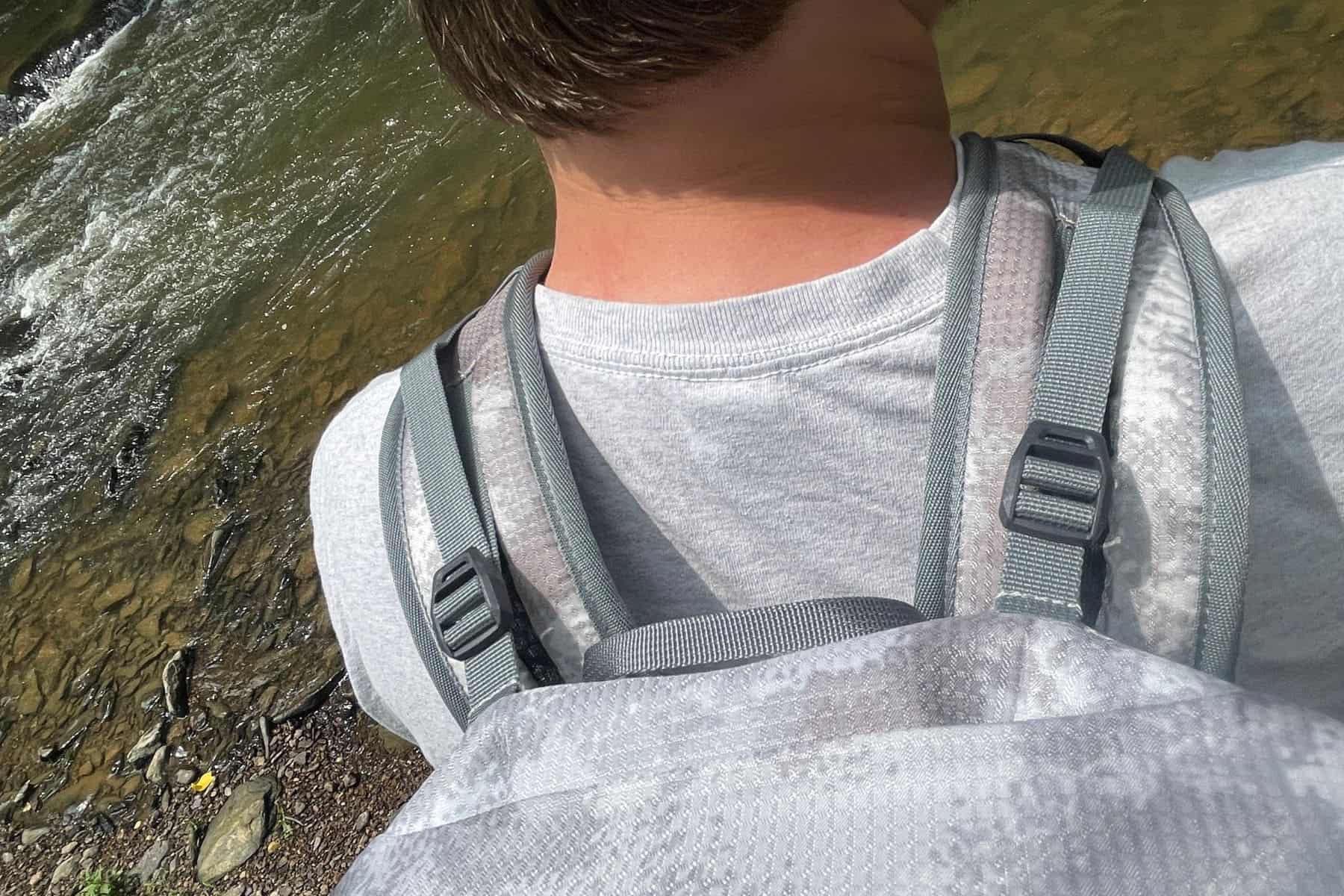
The pack’s 100% recycled fabric, lightweight design is just the beginning of the unique innovations of the 3D Aerorise 40. The shoulder, chest, and waist straps are easily adjusted and secured. The shoulder straps, in particular, struck a good balance between padding and mesh, resulting in decent ventilation.
While we understand that an adjustable torso length unit was most likely left out to keep this pack light, it did reduce the comfort on our average height woman tester and seems to limit this pack’s usability for people of certain heights or torso lengths.
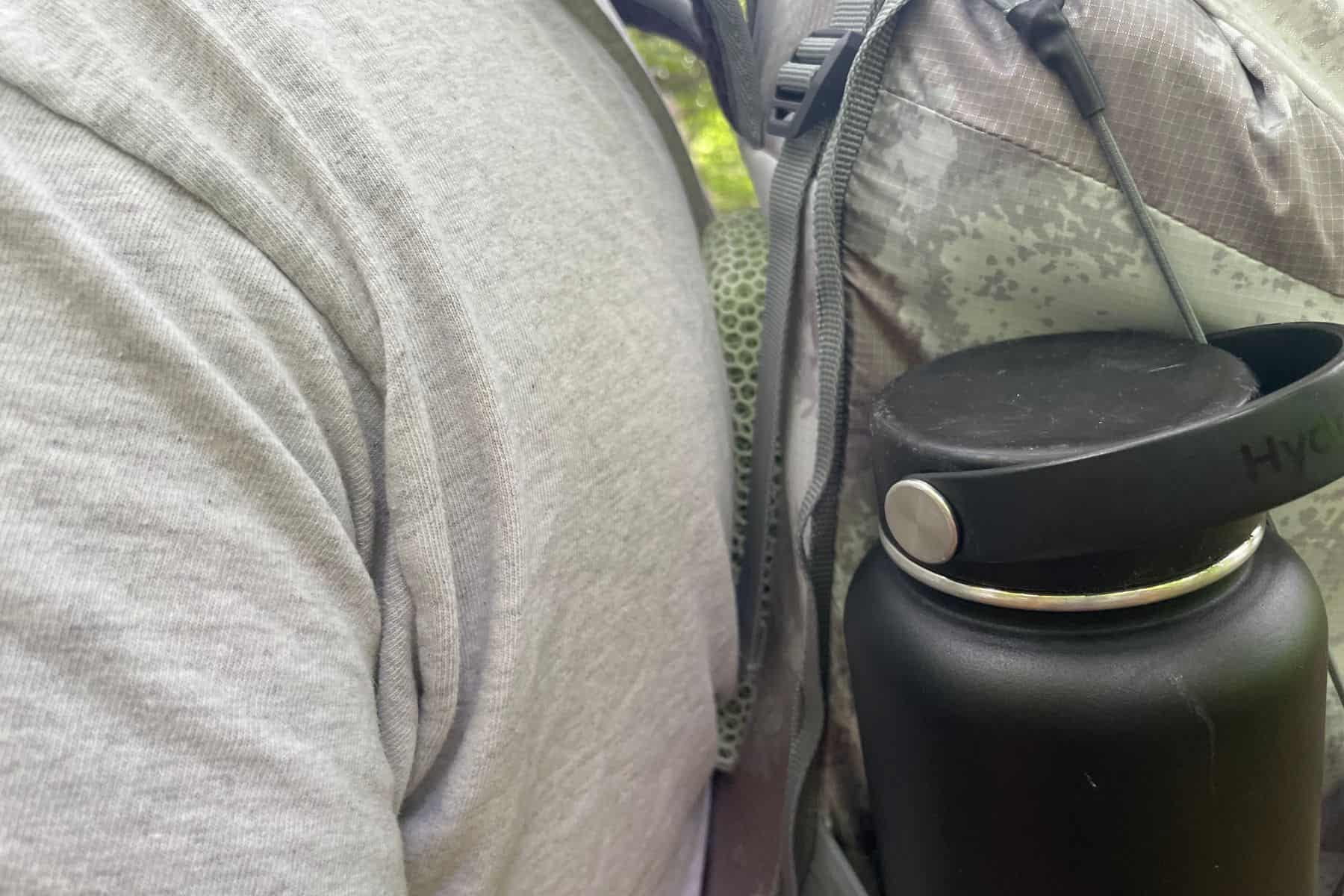
The ventilation and comfort were most noticeable in the back. The honeycomb-esque cushioned back panels are designed to provide comfort and support in carry ‘hotspots’ on the back. They did feel good on the back, though not completely noticeable, while also limiting the back sweat hikers can get from backpacks that do not have a back ventilation system. We are not completely sold if it performs better than suspended mesh back ventilation systems yet.
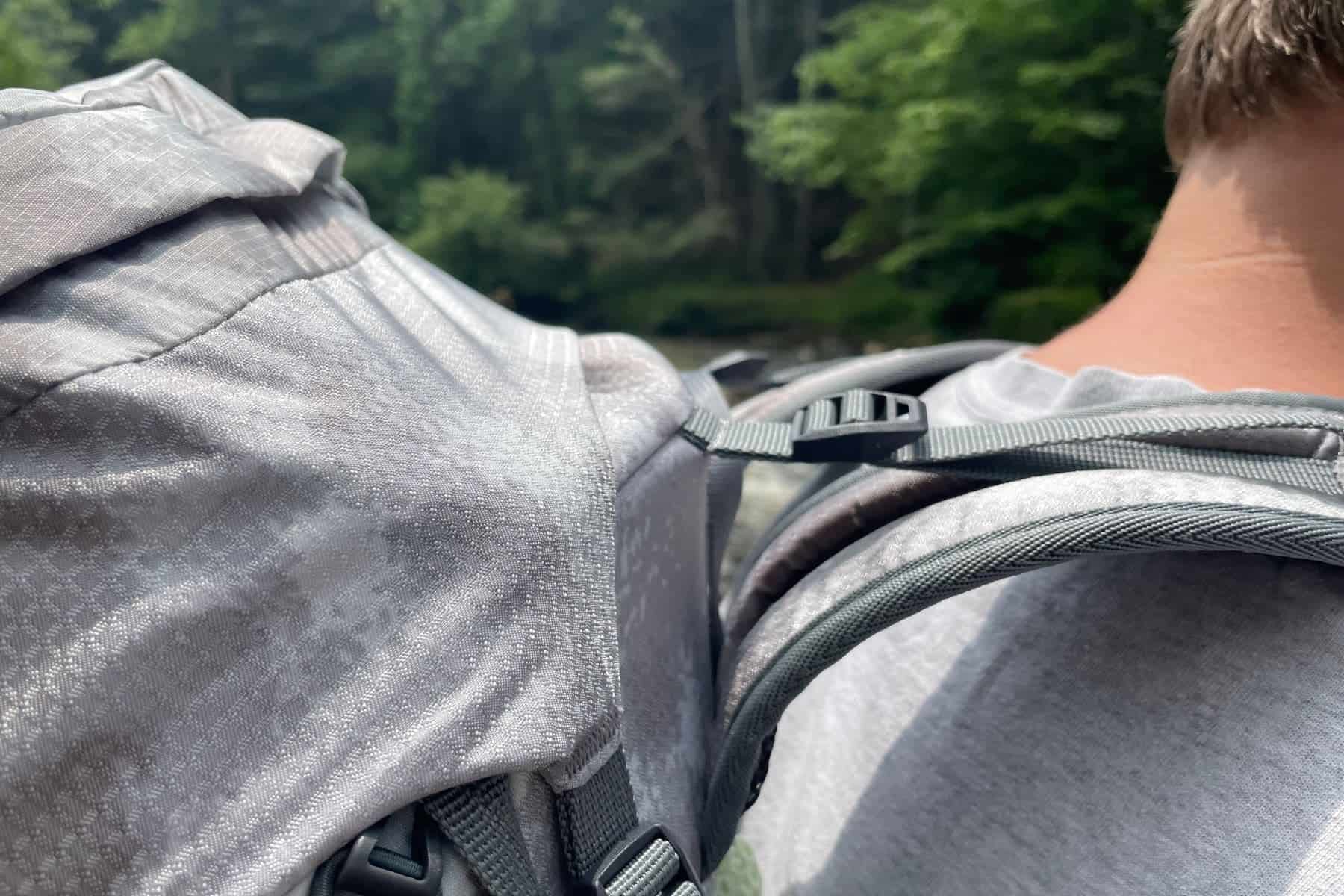
Adjustability
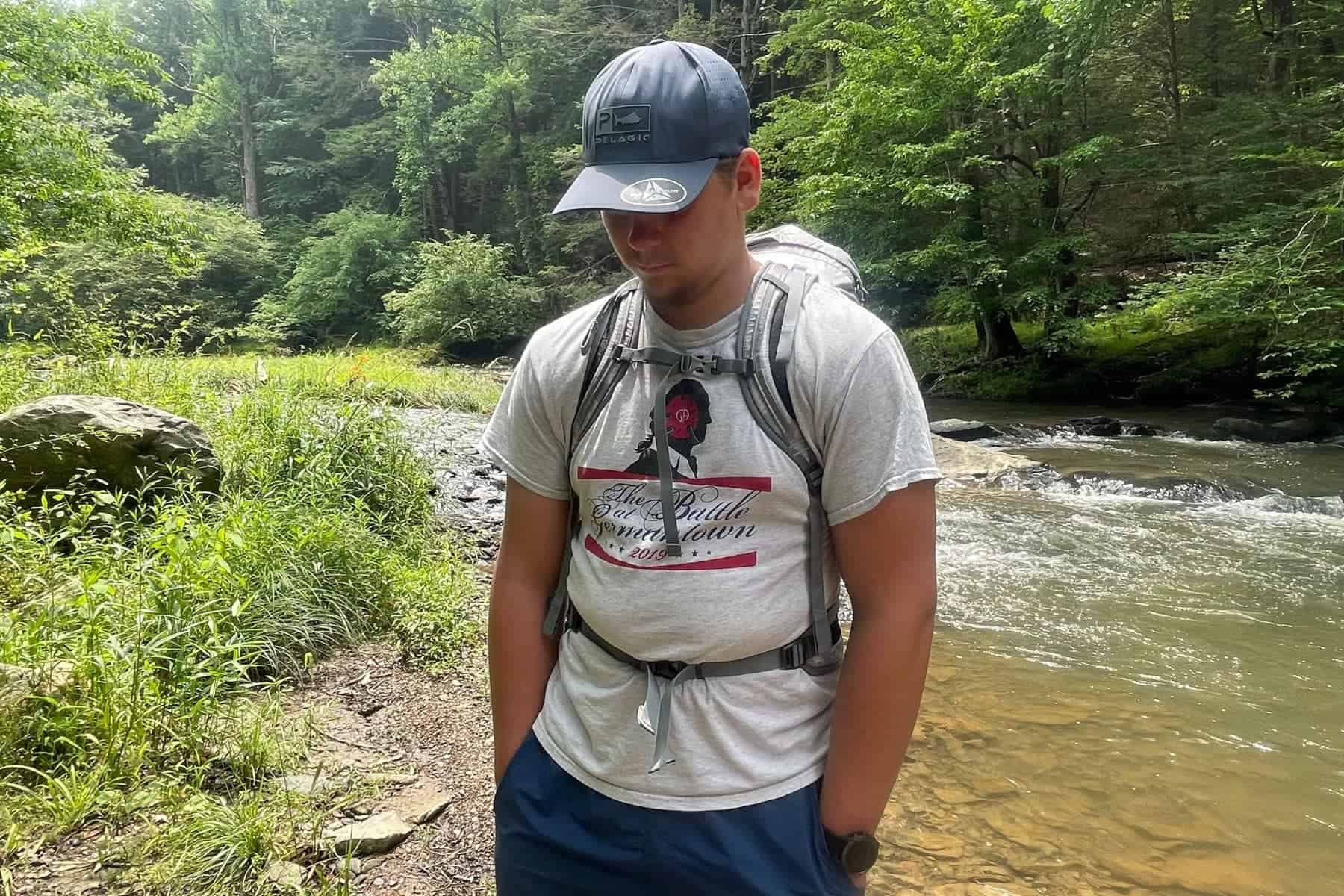
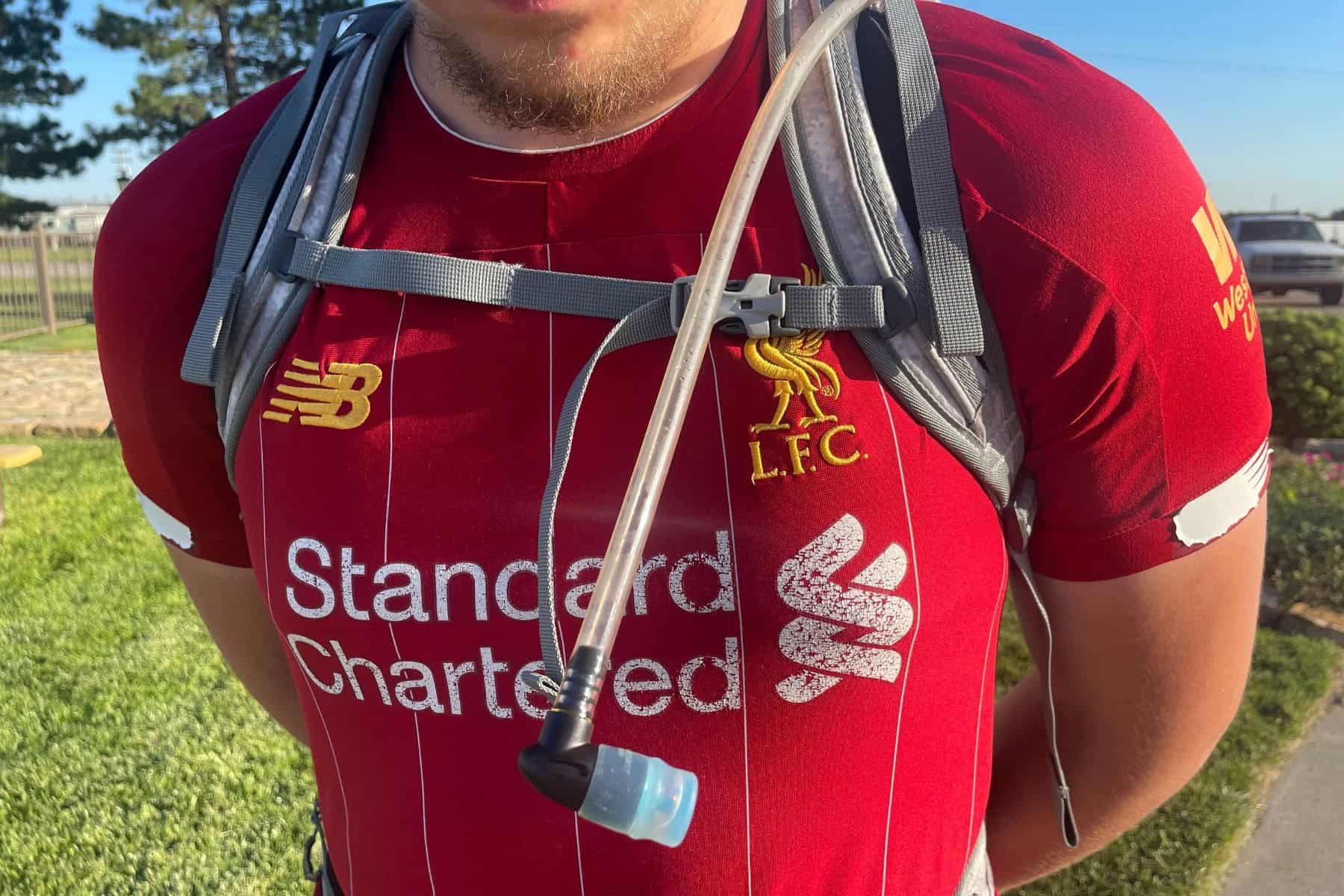
The 3D Aerorise 40 is adjustable in many, but not all, ways, with the result being that how comfortable the pack is may vary depending on the user’s height. The chest strap has a built-in whistle, and is flexible, adjustable, and completely removable if you don’t want it at all.
The waist strap features a small pocket and has minimal padding, which reduces sweating while still displacing weight.
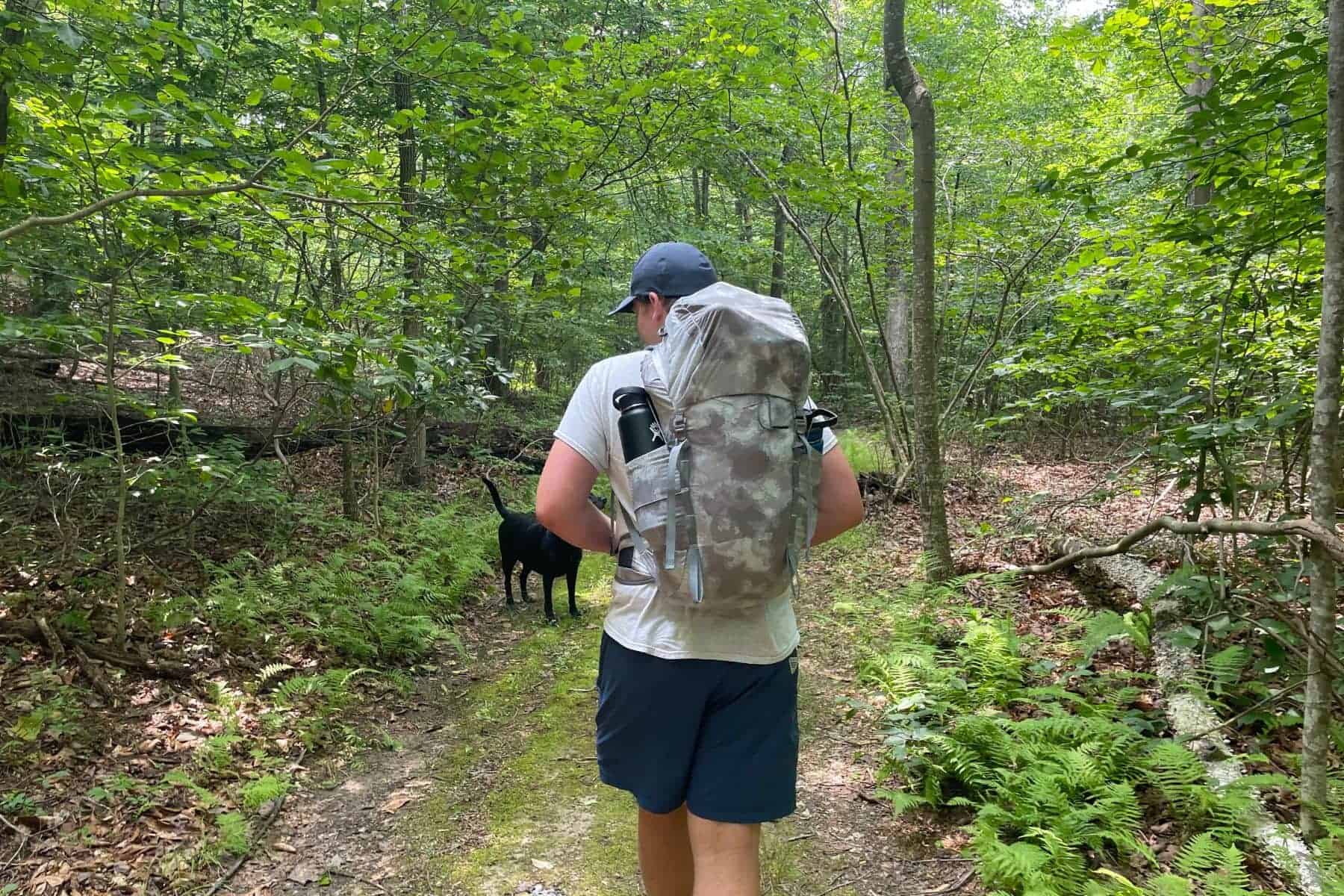
The pack does not have any torso adjustment. Our 5’10 user found the pack to fit just fine, but our 5’5 tester felt like the straps floated above the shoulders just a little too much. When trying to compensate by tightening the straps, this user found that it rubbed under the arms too much.
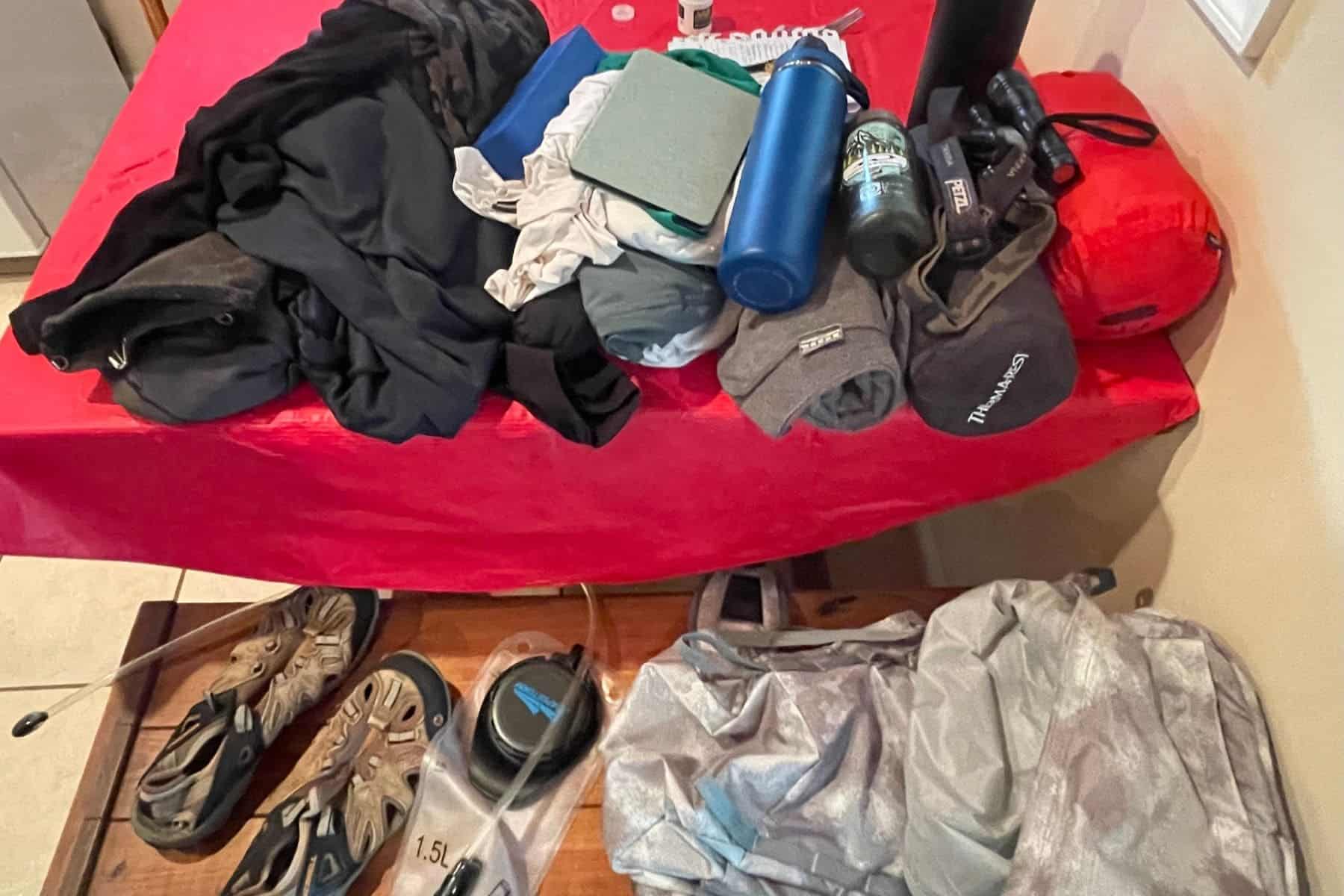
Loading/Unloading
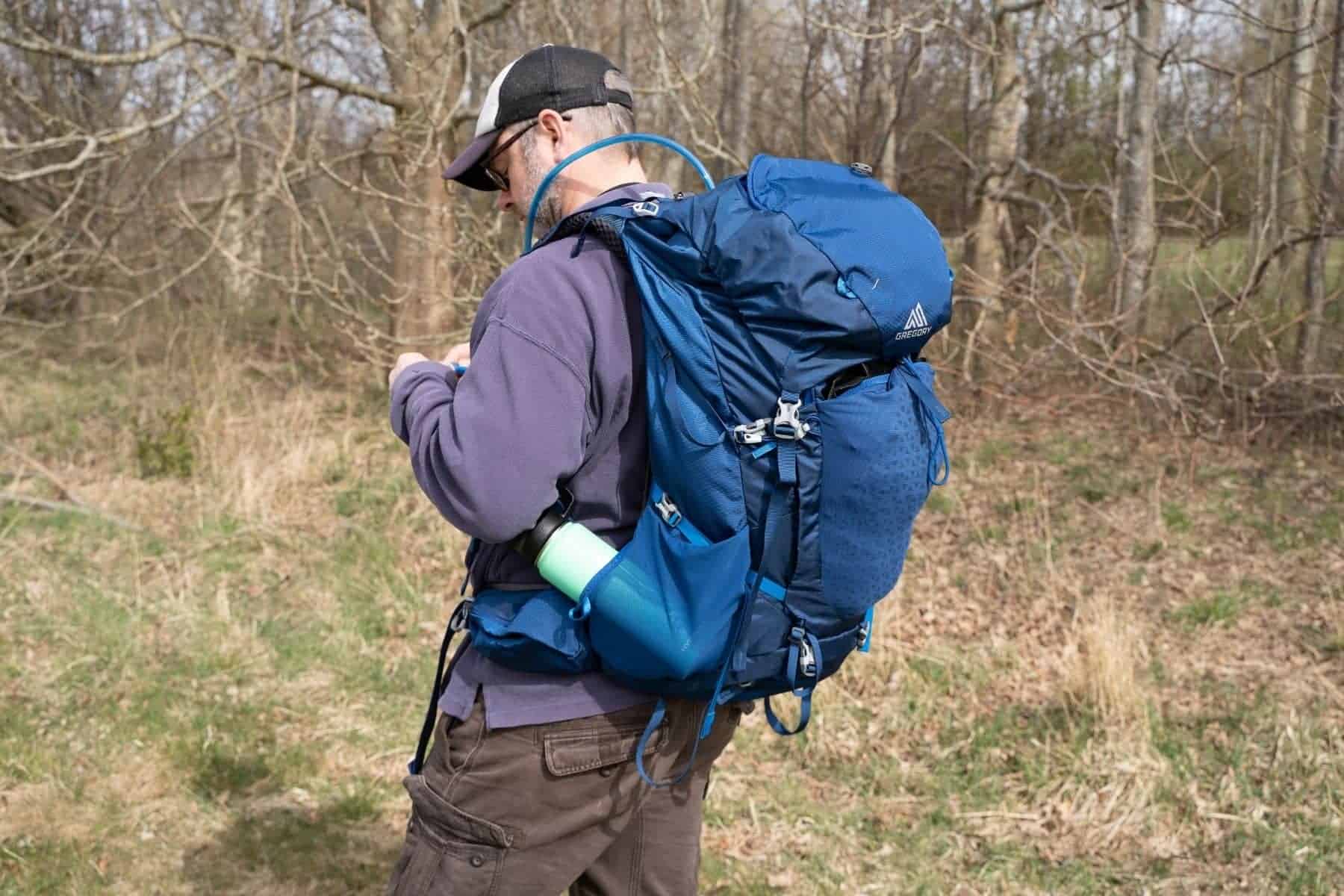
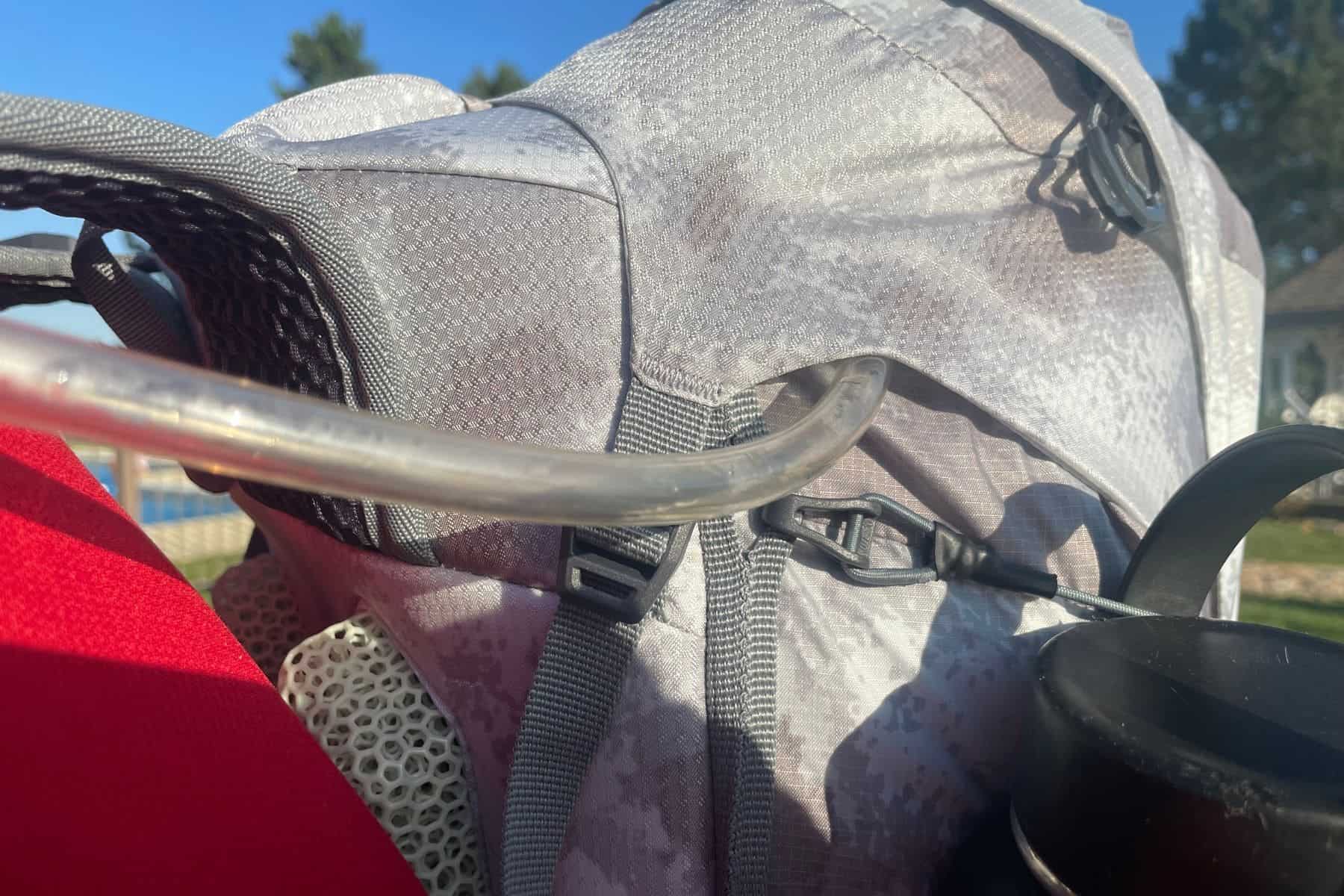
The 3D Aerorise 40 was generally easy to load and unload. The hydration bladder and feed tube were easy to load. The shoulder straps featured a tab to hold the tube but not necessarily secure it, meaning it did flop around.
The main compartment only features a top main opening, which helps with keeping the compartment waterproof, but does limit the ease of access to that compartment and the ability to organize its contents. Another simple but helpful touch is the fabric color inside the compartments. These light-colored fabrics made it much easier to identify items inside the bag.
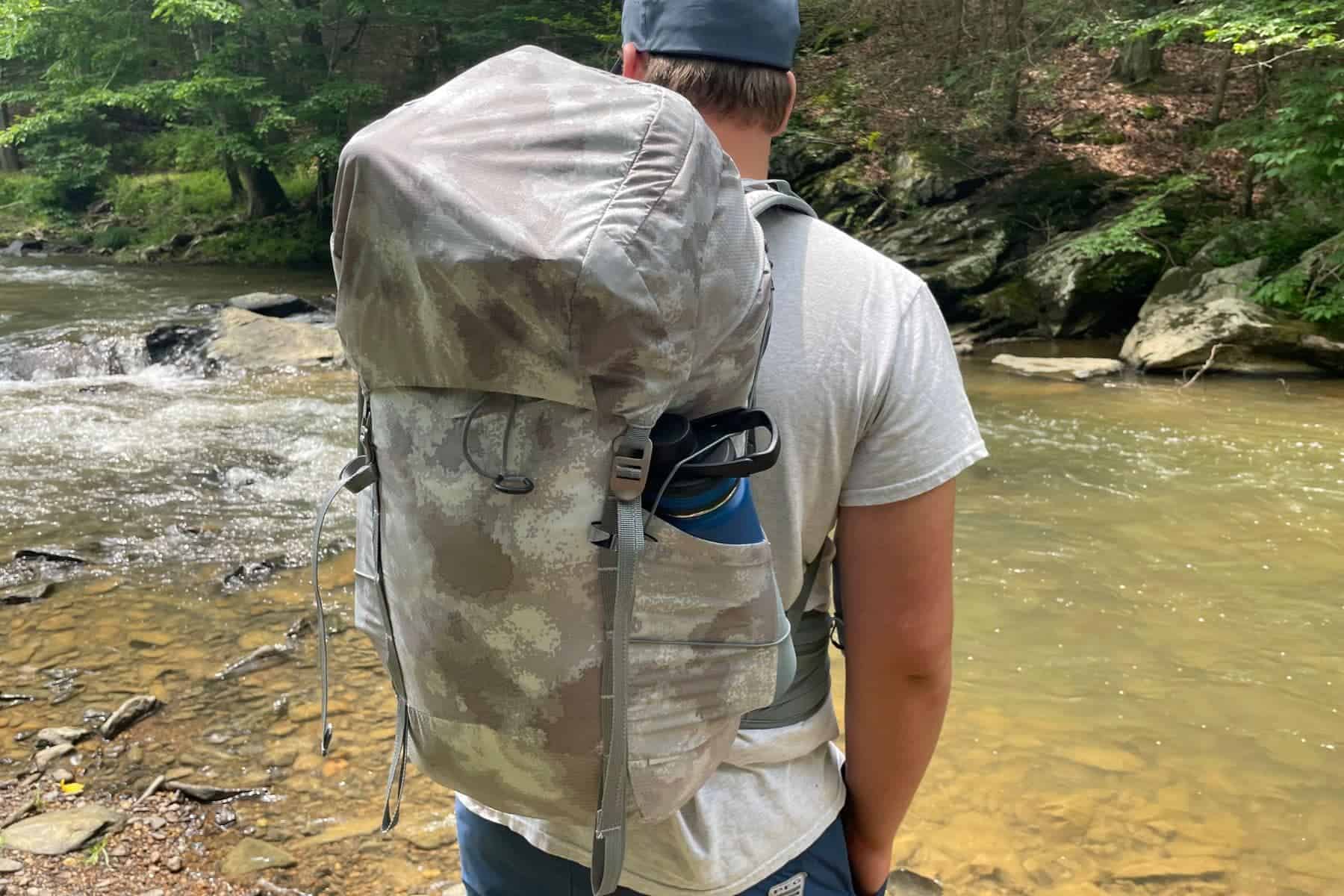
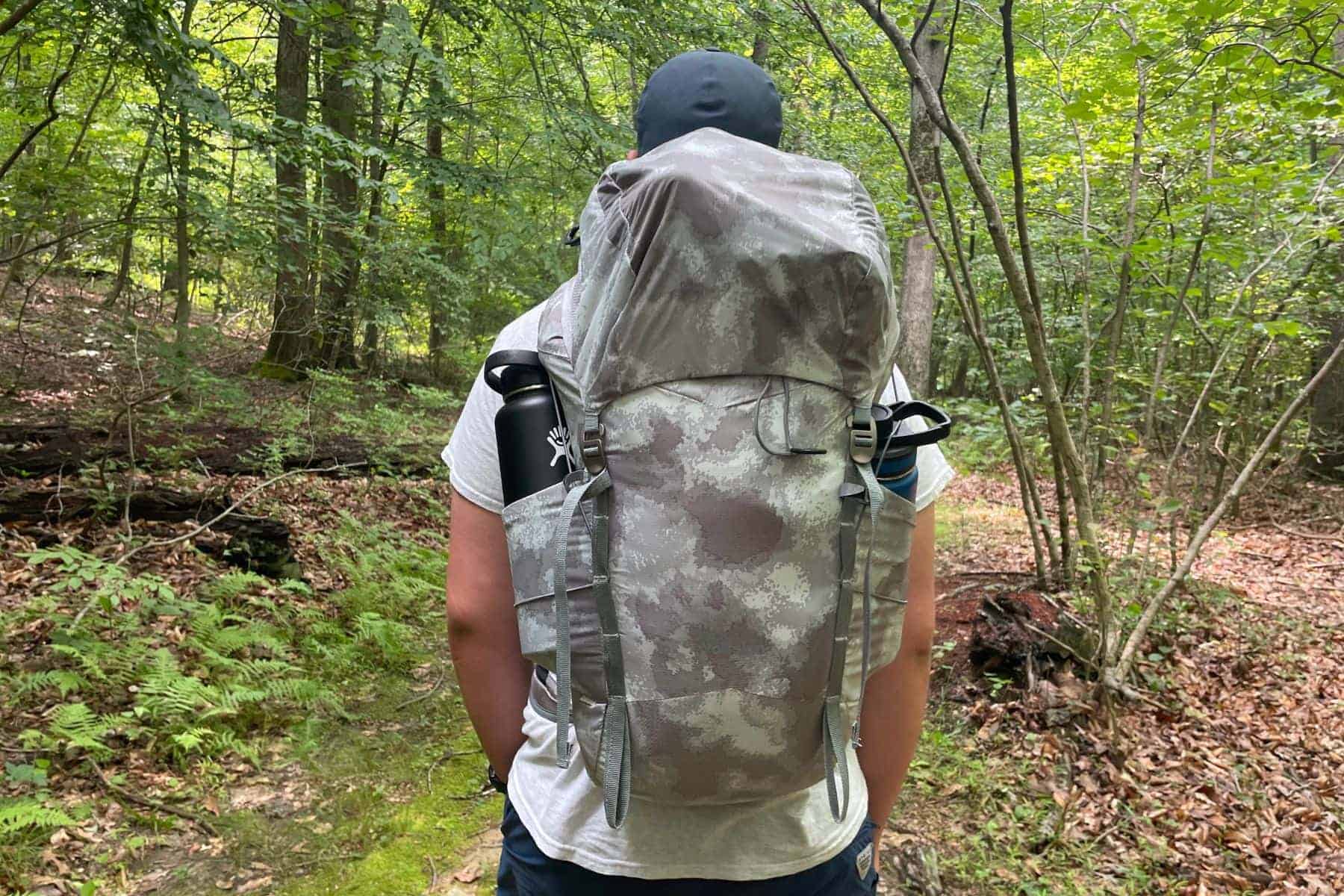
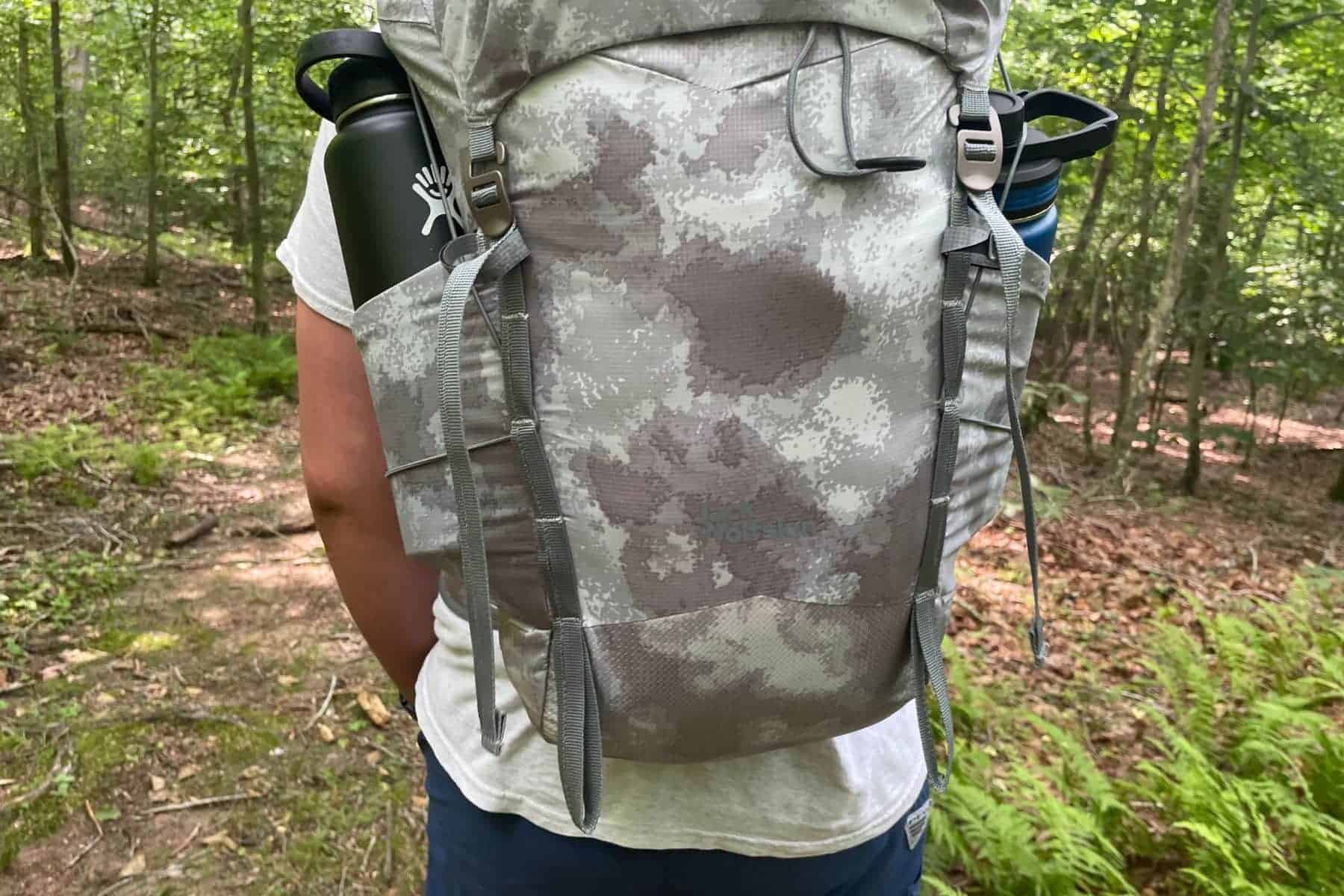
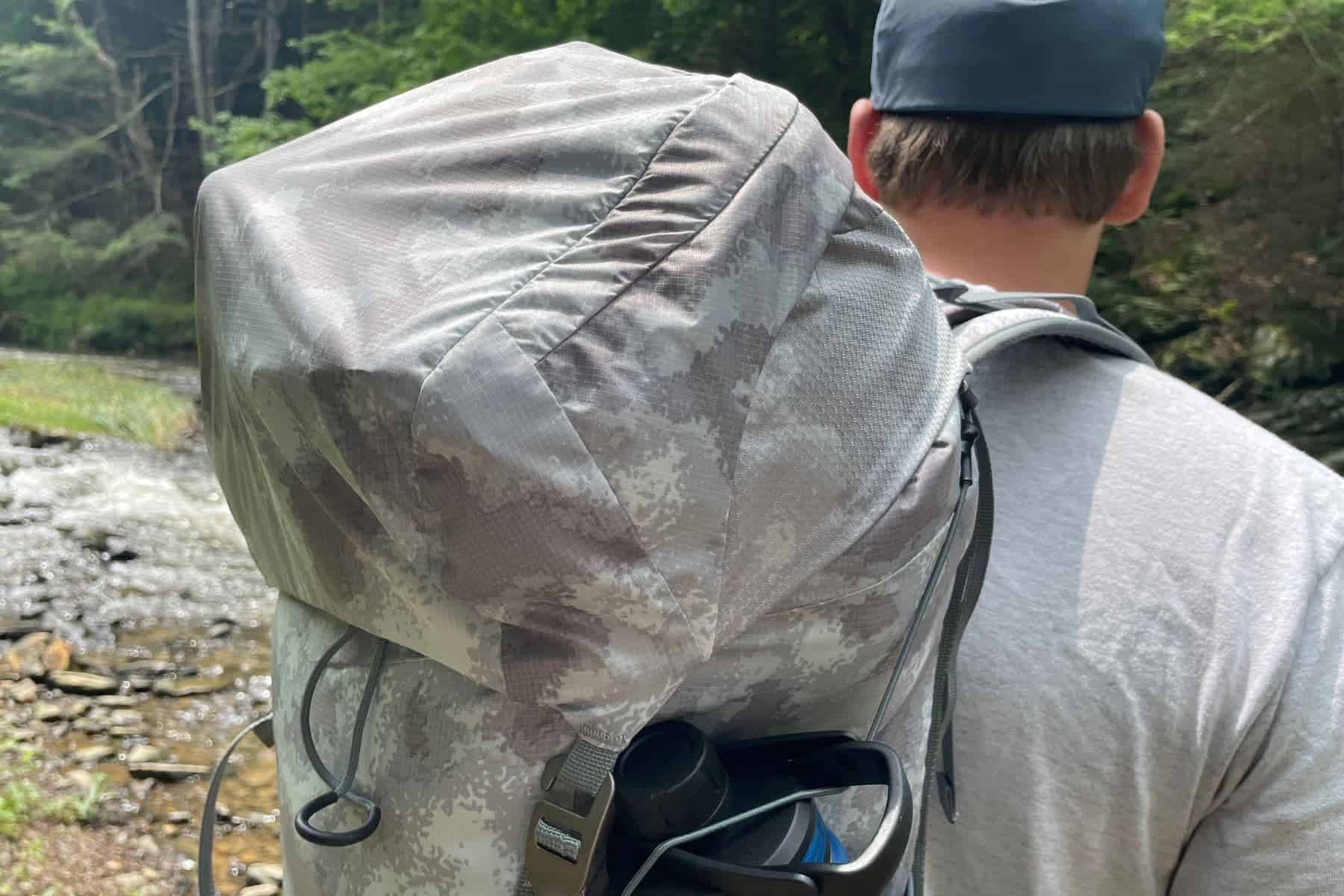
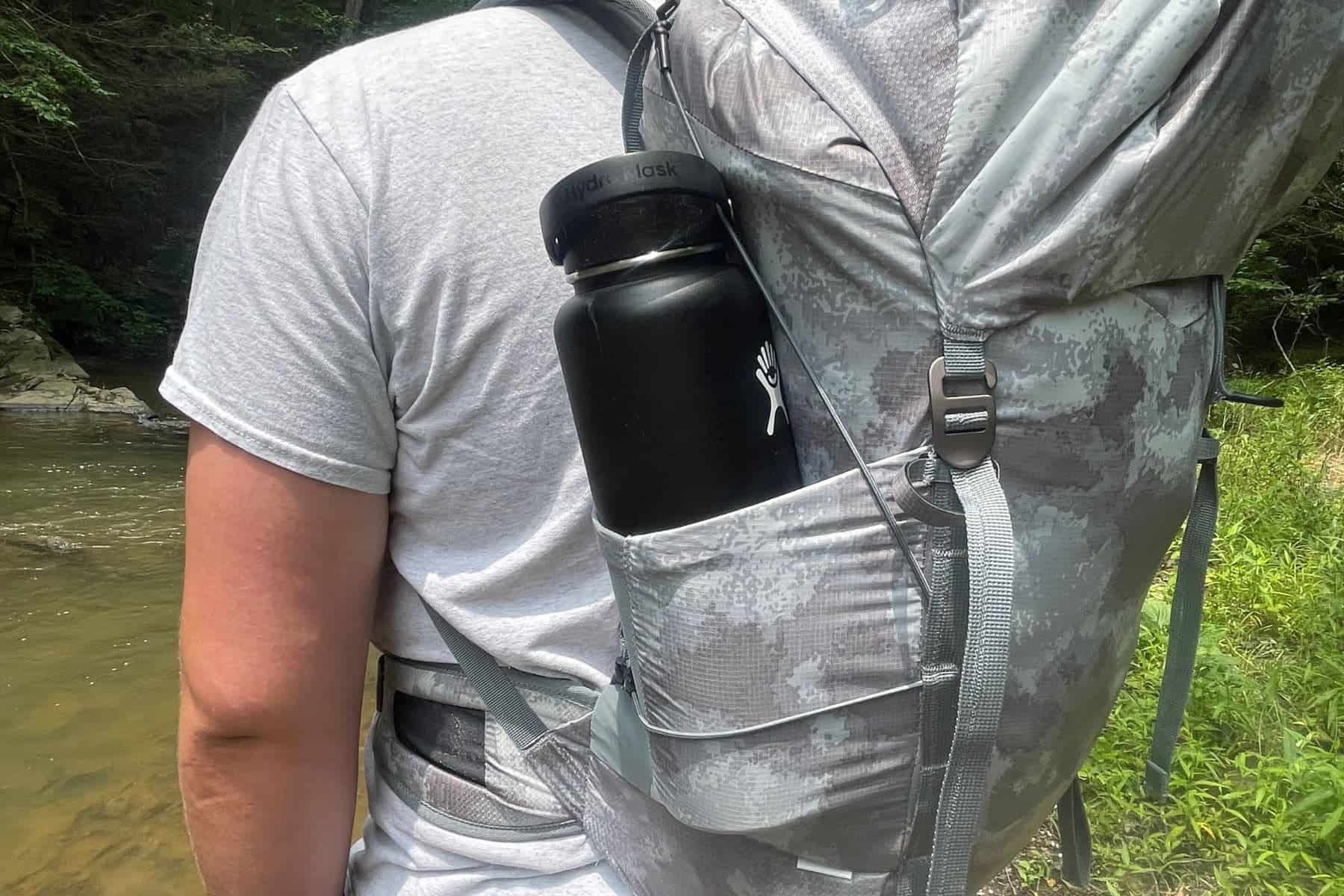
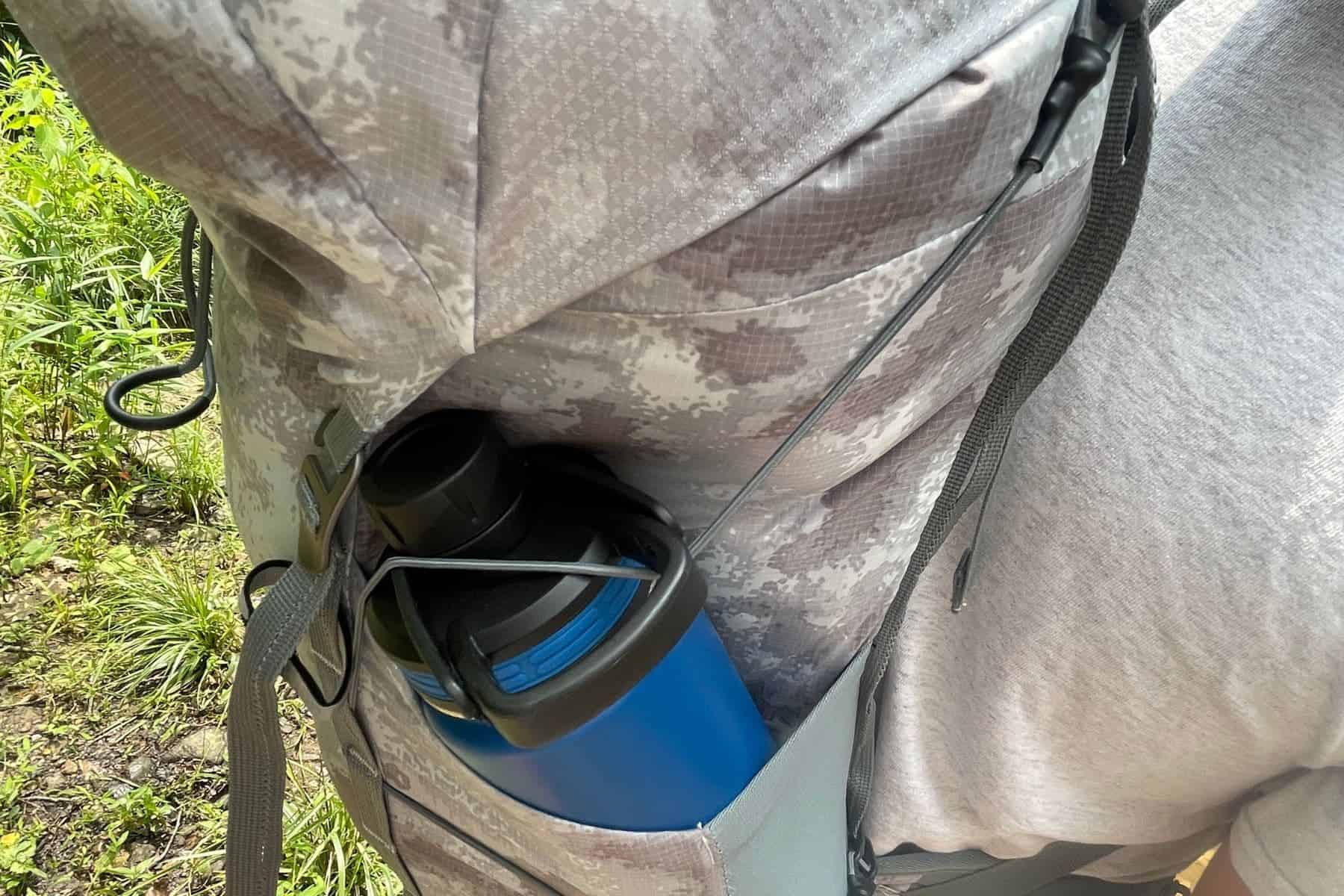
Fortunately, the bag has several outer pockets, brain compartments, and lash points, giving users options to place items in different areas of the pack. These outer pockets include side pockets deep enough to fit a large water bottle, or even a small tent.
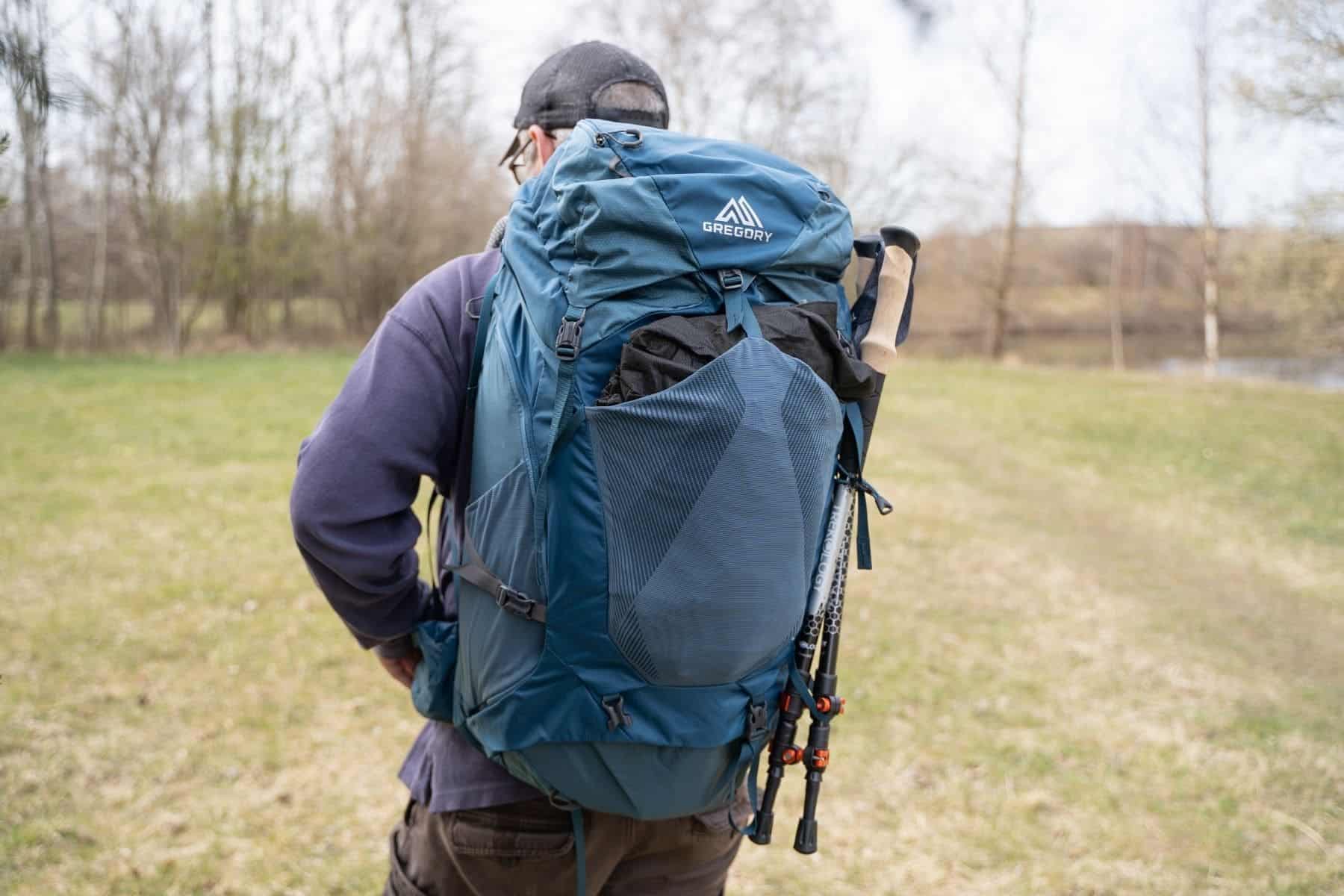
There is a daisy chain of lash points in the front of the bag, with adjustable velcro loops to hold hiking poles or a pickaxe. We are not entirely confident with the durability of the velcro. It is definitely a convenient way to lash things, but we’ll see if it stands up to frequent use.
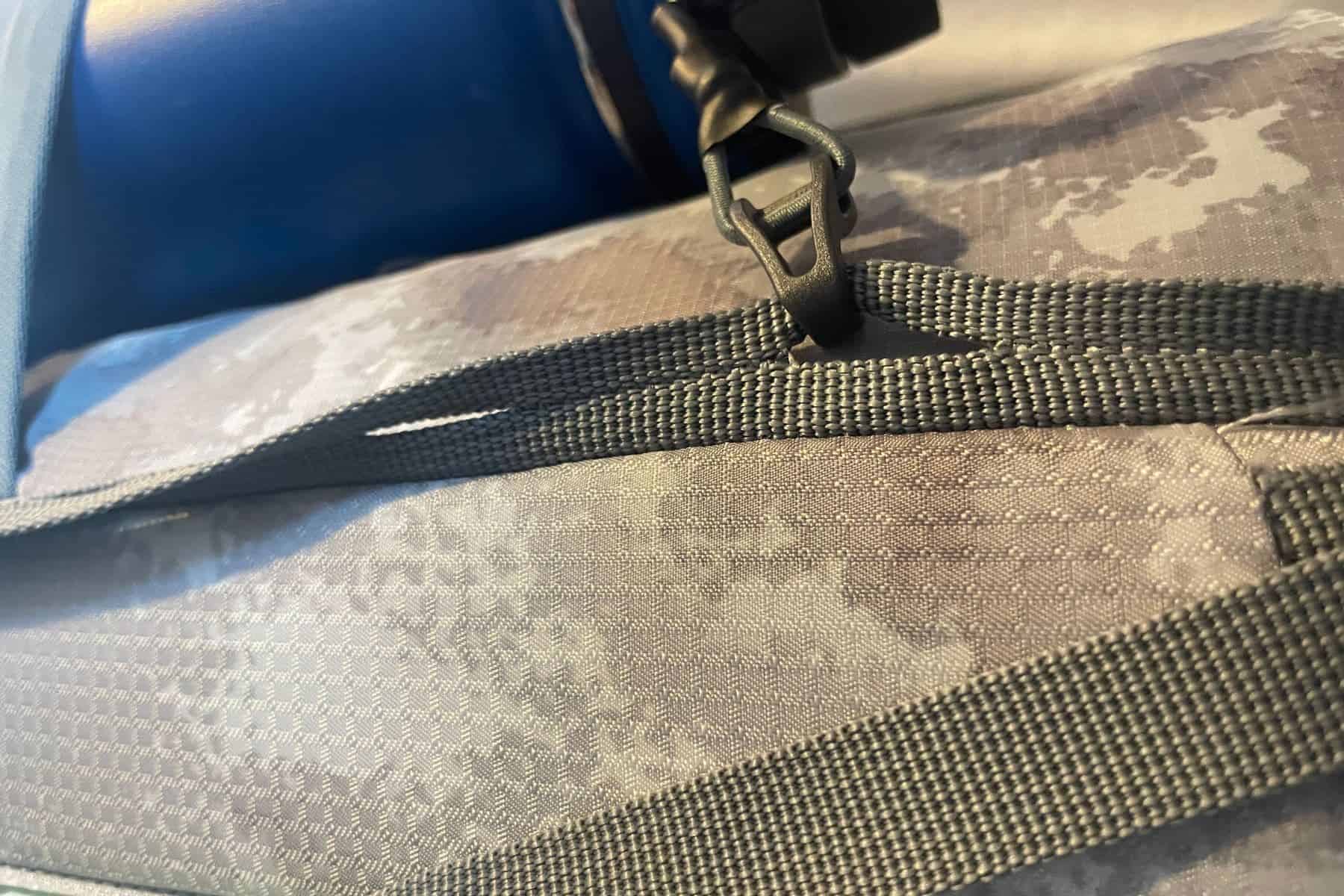
There are also multiple smaller loop lash points with elastic straps on the back of both sides of the bag. These are very versatile and secure well when the bag is packed. But make sure you secure them when storing the bag as they easily come loose when not in use and could fall off.
Durability
Whether your first day on the trail or your 101st, nothing is worse than feeling your money rip to pieces when you see a rip or tear in your backpack. We were very encouraged by the durability of the 3D Aerorise 40. The main compartment features two fabric layers, both of which are a CROSSRIP tear resistant ripstop fabric, the inside layer also being waterproof.
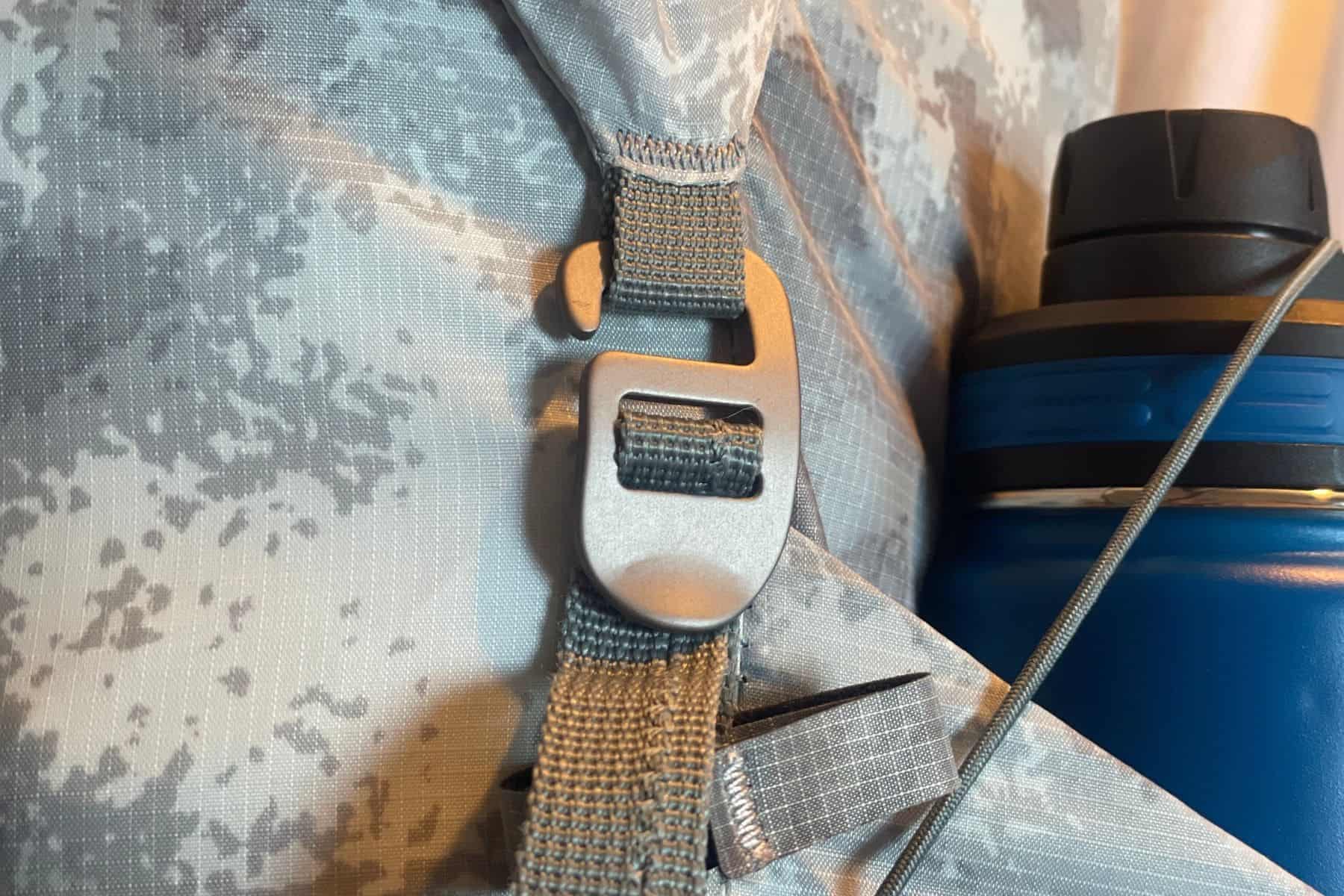
In addition, we found that the metal hooks used to close the bag appeared more sturdy and durable than the buckles that other bags often use. This durability seemed especially true when the bag was fully loaded.
Waterproof compartment
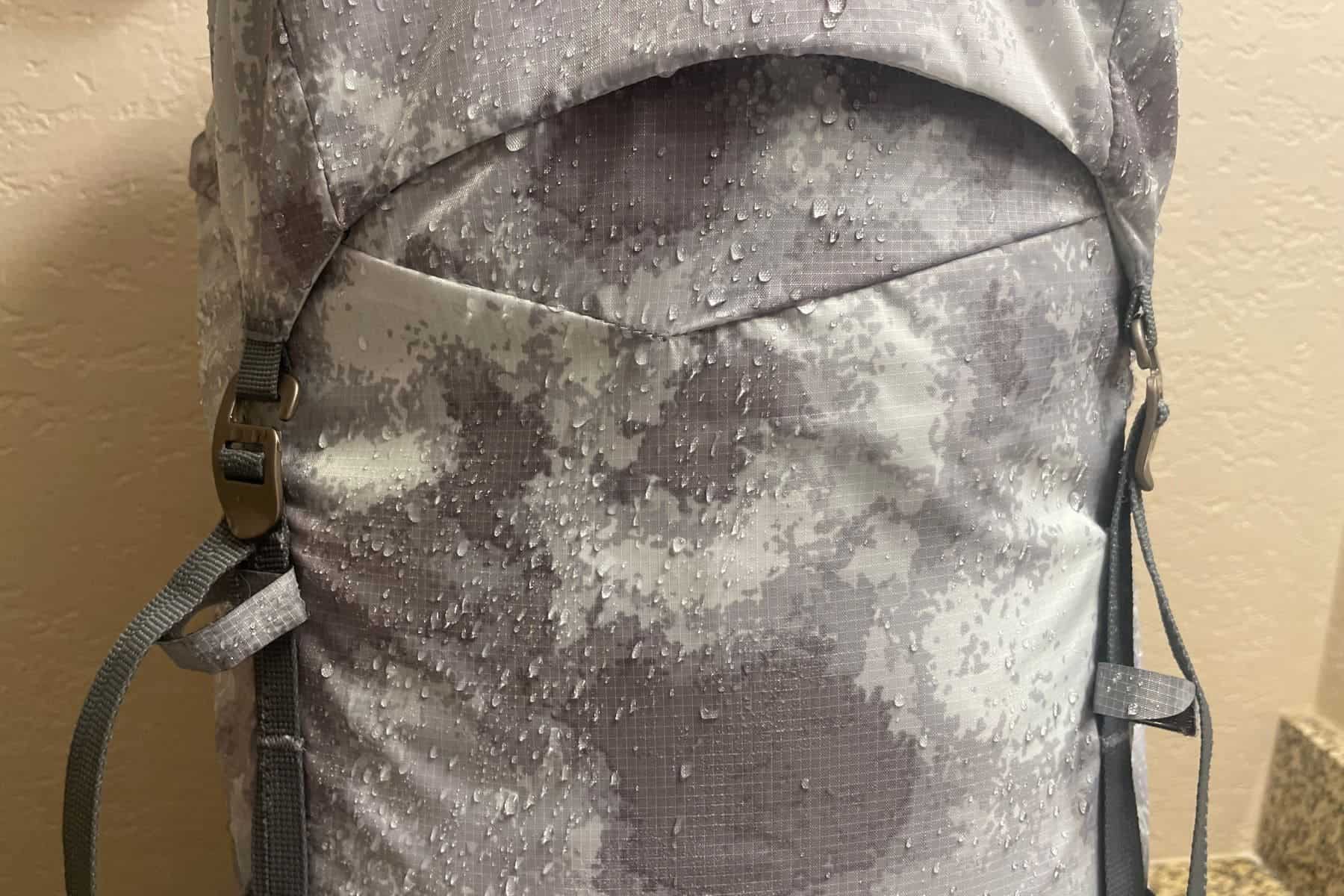
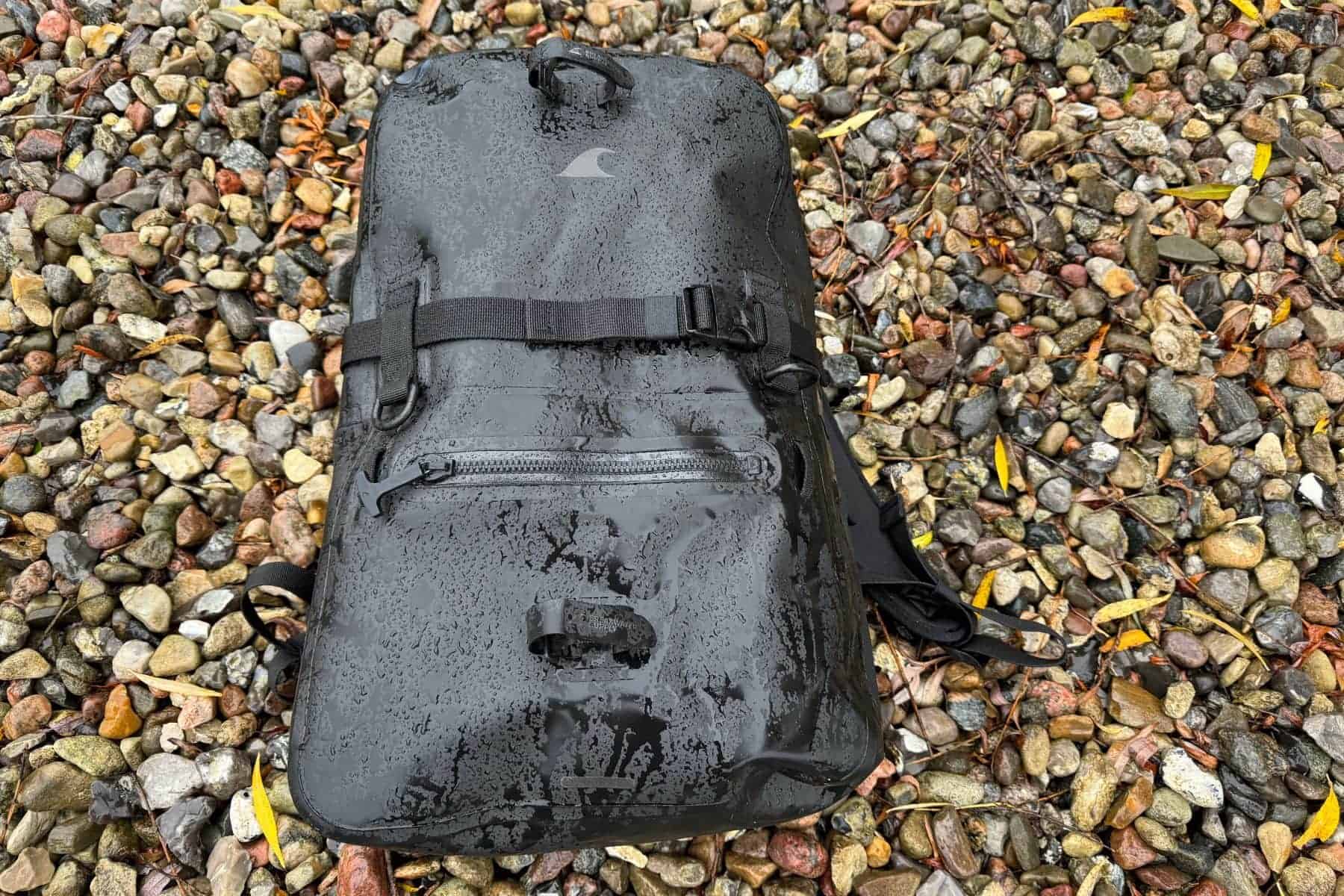
Due to a distinct lack of rain and snow in the weeks we had to test this bag in the East Coast mountains, to test the “waterproofness” of the main compartment, we threw the whole backpack in the shower for five minutes. After removing it, we observed that water had beaded on the outside of the bag. Everything in the bag came out completely dry.
That said, we don’t recommend completely submerging the backpack, and the dampness of the outside layer suggests it may be best to let the bag hang dry after exposure to water. Still, it was encouraging to see the inner waterproof compartment function effectively.
Value
The 3D Aerorise 40 is expensive and likely much more than the casual or entry-level hiker needs to spend. For example, the Gregory Zulu 65/Jade 63 is a decent backpack that will cost a fraction of the Aerorise 40.
It is worth noting that the cost most likely comes from the advanced nature of the materials used, including having these materials be from 100% recycled sources. It is a reminder that recycling is not a cheap and easy solution to our consumer focused society, and we applaud Jack Wolfskin’s efforts to make headways in recycled material use.
Do we recommend it?
The 3D Aerorise 40 is expensive, which makes it hard to recommend completely. It is worth considering if you are searching for a lightweight backpack made with 100% recycled material. With its innovative features, it feels like a good fit for scrambling and lightpacking, and it would be a worthwhile pick if your height and torso length comfortably fit.
Related Reviews
Things we like:
-
Waterproof main compartment
-
Lightweight
-
Durable fabric and build
-
Innovative back breathability
-
Made from 100% recycled fabric
Things we don't like:
-
May not fit well for some shorter hikers, no adjustable torso length
-
Difficult to organize what’s inside
-
Price puts the bag out of reach for many shoppers
Frequently asked questions
For a 2-3 day hike, most travel and outdoor experts recommend hiking backpacks with anywhere between 35 and 55 liter capacities. Individual results will naturally vary depending on several factors such as packing tendencies and climate. In addition, colder conditions may mean packing bulkier bedding, which will also increase the amount of space needed.
Check out our Buyer’s Guide in our Backpacking Packs guide for more information.
The most commonly listed reasons for the high cost of hiking backpacks involve the material. Materials that are both lightweight and durable drive the cost of their products up. Hiking backpacks that have waterproof elements see additional costs.
Hiking backpacks should sit at the hips. This position allows any waist strap to take weight off the shoulders and distribute it effectively across the body.
You can get more details about fit in our Hiking Backpack Buyer’s Guide.

 Back
Back













Comments