Moving to Canada for the Outdoors: What to Sort First
Plenty of Americans spend a summer in Canada for the paddling and the trails. Some come back and start planning a permanent move. That is a bigger trip, and it needs a different packing list.

Photo by Owen Roth on Unsplash
Gear is the fun part. The paperwork is where movers lose time and money. Anyone with a Health Savings Account should also check how an hsa moving to Canada is treated once residency changes. Sorting that early keeps the first season north about the water, not the forms.
Why Are So Many Outdoor Lovers Looking North?
Interest in the outdoors keeps climbing in the US. The 2026 edition of the Outdoor Participation Trends Report counts a record 183.2 million American participants. That is 59% of people aged 6 and older.
The same report shows a catch. Annual growth slowed to 1.1%, and the average participant takes five fewer outings per year than in 2019.
That gap is part of the appeal of Canada, where many towns sit close to big lakes and long trails. Older adults are a big part of the trend too. The 65+ group added 800,000 participants in a single year and 12.1 million since 2016.
What Gear Should Make the Trip, and How Should You Pack It?
A move is not a weekend trip, so pack in stages. Under the Canada Border Services Agency settler rules, your gear generally needs to be owned, possessed and used before you arrive.
- Pack an arrival kit first. Rain shell, base layers, a headlamp and one pair of broken-in boots should travel with you.
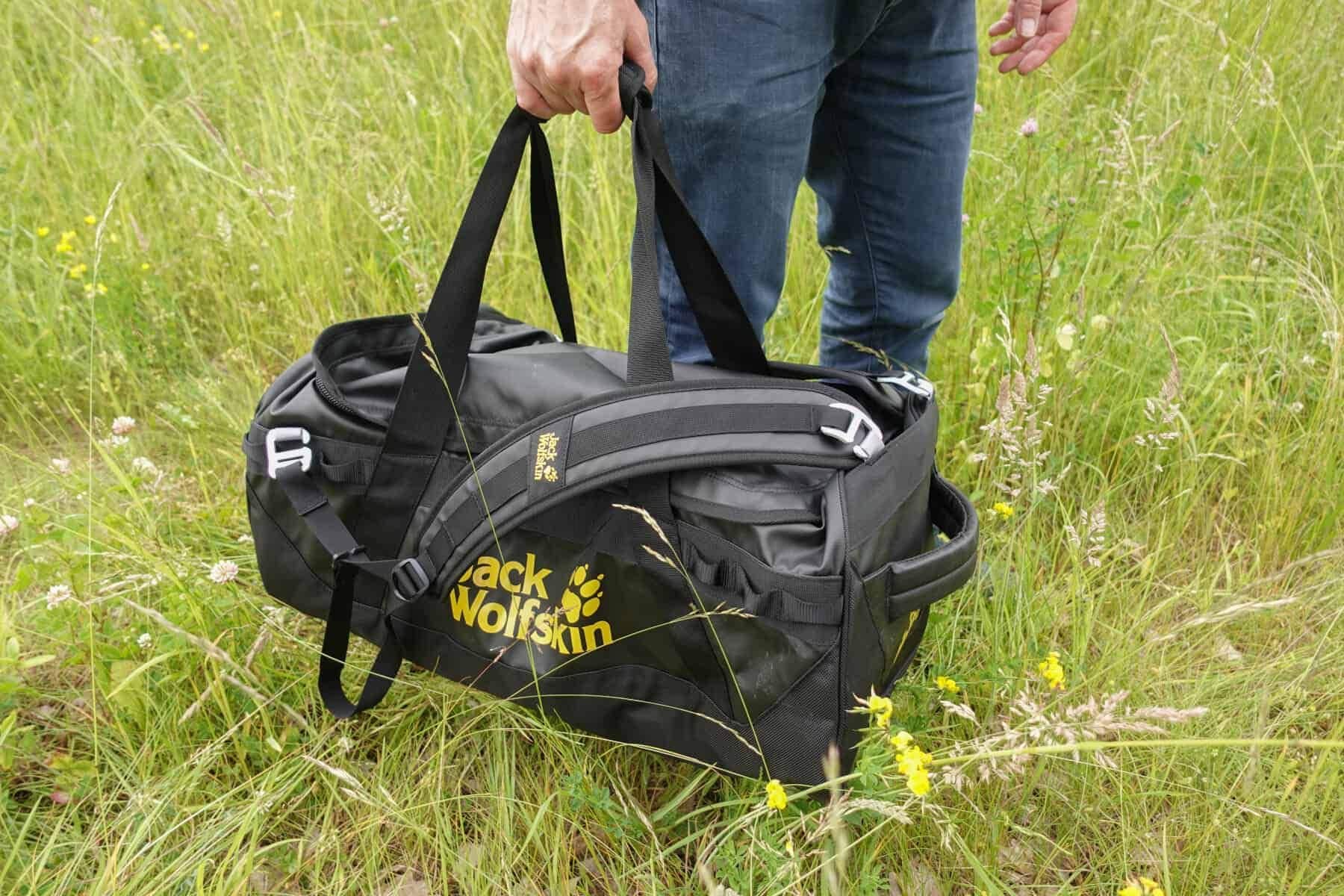
- Use a hard-wearing bag for bulky kit. A rugged duffel like the Jack Wolfskin Expedition Trunk holds 65 liters and is built from 1680D fabric.
- Split small items with packing cubes. Group them by activity, such as scuba, camp kitchen and first aid.
- Write the customs list early. Canada’s border agency asks settlers for a list in duplicate with the make, model, serial number and rough value of each item.
- Split that list in two. One part covers what crosses with you, and the other covers “goods to follow” in a later shipment.
- Ask your mover what it will not carry. Fuel canisters and aerosols are common exceptions, so plan to replace them locally.
Two more details are worth knowing. Goods listed as goods to follow have no time limit for import. Items sold within 12 months of arrival, though, can become subject to duty. Shipments that arrive before you are held in storage for 40 days.
How Does Health Coverage Work In Your First Months?
Each Canadian province and territory runs its own public health plan with its own rules for new residents. Check yours before you sign a lease.
The Northwest Territories shows how detailed these rules get. Its plan sets conditions that matter to anyone who spends weeks in the backcountry:
- Residents must be physically present in the NWT at least 153 days each calendar year.
- Absences of more than 90 days at a time need a Temporary Absence Form in advance.
- Movers from another province become eligible on the first day of the third month after arriving.
- Emergency care outside Canada is reimbursed at NWT rates only, in Canadian funds.
- On trips elsewhere in Canada, ground ambulance and medevacs are not covered.
That last point matters for paddlers and hikers far from roads. Read the NWT health plan guide or your own province’s version, then decide on private or travel cover to fill the gaps.
Where Does a US Health Savings Account Fit After the Move?
An HSA is a US account paired with a high-deductible health plan. It does not close when you move. IRS Publication 969 calls the account portable, so it stays with you when you change employers or leave the workforce.
The tax picture is what shifts, as Canadian rules give the account no special shelter. Here are the two sides in general terms.
| Point | US Side | Canadian Side |
|---|---|---|
| Contributions | Deductible; 2025 limit $4,300 self-only or $8,550 family | Not deductible against Canadian income |
| Age 55+ catch-up | Extra $1,000 per year | No Canadian benefit |
| Growth inside the account | Not taxed by the US | Investment income generally taxable |
| Non-medical withdrawals | 20% additional tax before age 65 | Reportable on your Canadian return |
| Medical withdrawals | Tax-free for qualified expenses | Simpler to report than other uses |
Photo by Hendrik Morkel on Unsplash
Cross-border guidance generally favors keeping an existing HSA rather than cashing it out. Before age 65, cashing it out for non-medical use can trigger US income tax plus the 20% additional tax. Using the balance for eligible medical costs also tends to keep tax reporting simpler on both sides.
These are general points, not tax advice. A cross-border tax professional can confirm the right approach for your citizenship, income and balance.
Which Documents Should Ride With You, Not the Truck?
Keep one waterproof folder with you, not in the moving truck. Include:
- Passports and your Canadian immigration documents
- Both copies of your settler goods list
- Recent statements for every US account, including your HSA
- Receipts for medical costs paid before the move
- Proof of private or travel health cover for your first months
- Contact details for an accountant who files in both countries
Making the First Season North Count
Moving for the outdoors works best when the boring jobs are done early. Pack in stages and keep a clear settler list. Check your new province’s health plan and cover its gaps. Then decide what to do with your HSA before your first Canadian tax season. Then pick your first lake.
Frequently Asked Questions
Can I Bring My Camping and Scuba Gear When I Move to Canada?
Gear you already own and use can usually come in as settlers’ effects. List each item with its make, model, serial number and value, and present that list when you first arrive. Check current border rules for restricted items before you pack.
Will I Have Health Coverage as Soon as I Arrive?
Not always, because each province and territory sets its own rules. Some apply a waiting period or presence requirement. Private cover can bridge the gap.
Is It Worth Keeping a US HSA Open After Relocating?
Cross-border guidance generally favors keeping it open, since cashing it out early can trigger US tax and a 20% additional tax. Canada does not shelter the growth the way the US does. Get a tax advisor who files in both countries to check the numbers with you.
Does Provincial Health Insurance Cover Backcountry Rescue?
Coverage varies, and some plans exclude key costs. The NWT plan, for example, does not cover ground ambulance or medevacs when residents travel elsewhere in Canada. Check your own plan and consider extra cover if you spend time in remote areas.
 Back